He aratohu mā te whānau: rewharewha manu - ngā mea hei mōhio, hei mahi hoki
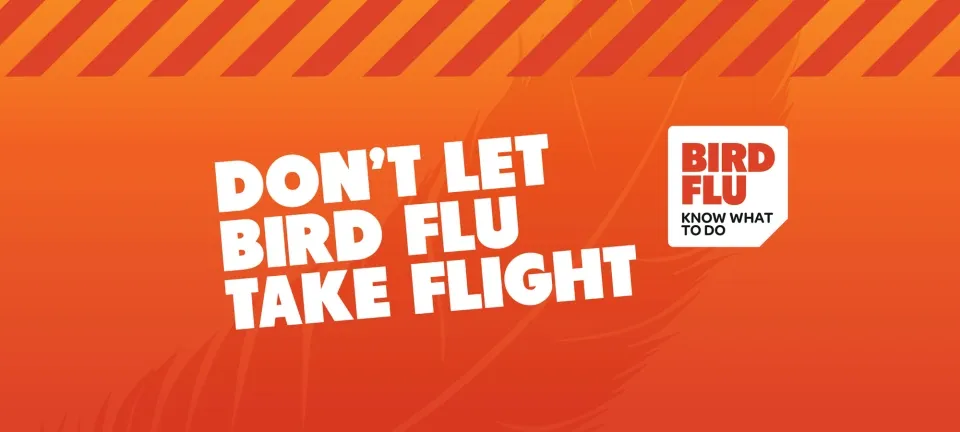
Whānau guide: bird flu - what to know and what to do. Updated with a resource kit
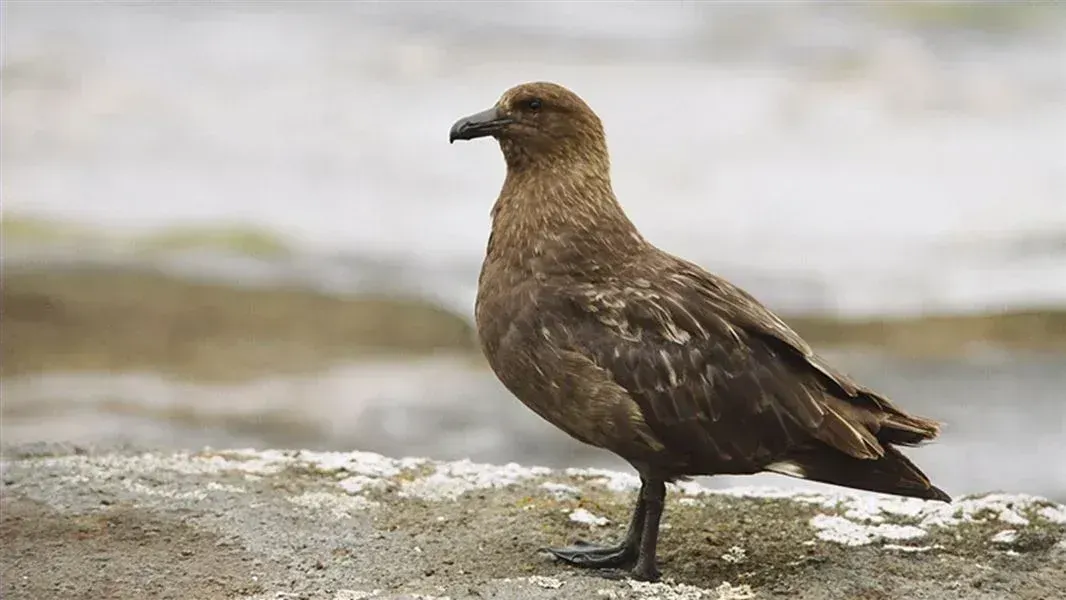
This is a calm, practical guide for whānau. It explains what to watch for, what to do if you find sick or dead manu, and the simple steps hunters, gatherers and outdoor whānau can take to protect people, pets, kai and te taiao.
Last updated 14 September.
Kupu matua
The risk to people in Aotearoa New Zealand remains low. Bird flu mainly affects manu, and people are usually infected only after close, unprotected contact with infected birds, animals or contaminated material. Being aware, following good hygiene and using simple tikanga will help keep everyone safe.
Ngā tohu hei mātakitaki / What to look for
- Three or more sick or dead wild manu found together in one wāhi.
- Manu that are weak, unusually quiet, unsteady, unable to fly or having trouble breathing.
- Sudden deaths among seabirds, waterfowl, gulls, terns, ducks, geese, swans or other wild manu.
Ki te kite koe i ngā manu māuiui, mate rānei / If you find sick or dead birds
- Do not touch, move, collect, pluck or prepare the manu.
- Keep tamariki, kurī and vehicles away from the wāhi.
- Take a photo or video only if it is safe to do so and you can keep your distance.
- Report three or more sick or dead wild manu to Biosecurity New Zealand on 0800 80 99 66.
- Tell them the exact wāhi, how many manu there are, the type of bird if known, and what you saw.
- Before leaving, wash your hands and clean footwear, clothing, tyres and gear.
Rauemi
Resources to help you prepare.
The H5 bird flu wildlife resource kete brings together practical guidance, training resources and information to help organisations, community groups and volunteers prepare for and respond to H5 bird flu.
The kete includes:
- Information about H5 bird flu and its potential impacts on wildlife
- PPE and biosecurity training videos
- PPE factsheet to use with the videos
- Guidance on how and when to report suspected H5 bird flu
- Activity-specific factsheets, including: Distance tourism; Pest species trapping
New factsheets and other practical guidance will be added as they become available.
Ngā mahi māmā hei whakaiti i te horapa / Simple ways to reduce spread
- Keep kurī on a lead around beaches, wetlands, rivers, reserves and other places where manu gather.
- Stay clear of sick or dead manu, feathers and droppings.
- Clean boots, clothing, tyres, fishing and hunting gear, chilly bins and other equipment after each haerenga.
- Follow official advice about closures, rāhui, access restrictions and site instructions.
Mā te whānau he heihei, pārera, manu mōkai rānei ā rātou / For whānau with chickens, ducks or pet birds
- Keep domestic manu away from wild manu and their droppings.
- Cover kai and water so wild manu cannot reach them.
- Keep bird areas clean and limit visitors, vehicles and shared equipment.
- Wash hands before and after handling manu, eggs, kai, water bowls or cages.
- If several manu become sick or die suddenly, contact your vet before handling them.
Mā ngā kaiwhai, kaikohi kai me te whānau noho ki waho / For hunters, gatherers and outdoor whānau
If you spend time near repo, rivers, estuaries, beaches, motu, farms or bird colonies, take extra care. This is not about stopping customary or recreational activities. It is about using safe habits and tikanga to protect whānau, kai, kurī, domestic manu and te taiao.
- Do not harvest, handle or take home manu that look sick, behave strangely or are found dead.
- Do not touch feathers, carcasses, droppings or nesting material from sick or dead manu.
- Wear gloves when handling harvested manu, and wash your hands well afterwards.
- Do not eat, drink or touch your face while cleaning or dressing manu.
- Keep raw wild-bird meat separate from ready-to-eat kai, fruit and vegetables.
- Cook wild manu thoroughly until the meat is steaming hot and cooked right through.
- Clean knives, boards, chilly bins, boots, clothing, kurī gear and vehicles after each haerenga.
- Clean gear before moving between repo, river mouths, beaches or hunting sites.
- Keep kurī away from sick or dead manu, feathers and droppings.
Āhea me rapu tohutohu hauora / When to seek health advice
If someone has had close contact with sick or dead manu, or contaminated material, and then becomes māuiui, contact your doctor, hauora provider or Healthline for advice. Symptoms may include fever, cough, shortness of breath, sore eyes, muscle aches, diarrhoea or feeling very unwell.
He kōrero mā te whānau / What to tell whānau
Be alert, not alarmed. If you see three or more sick or dead wild manu together, keep away, keep kurī and tamariki away, and call 0800 80 99 66. Clean your gear, protect domestic manu and follow official advice to help look after your whānau and te taiao.