We shall remember them
As we approach ANZAC Day, we honour all of those who served, and those who fell, in all past wars. Read profiles of three Ngāti Rārua whānau from Motueka who served in the Second World War. Lest we forget.
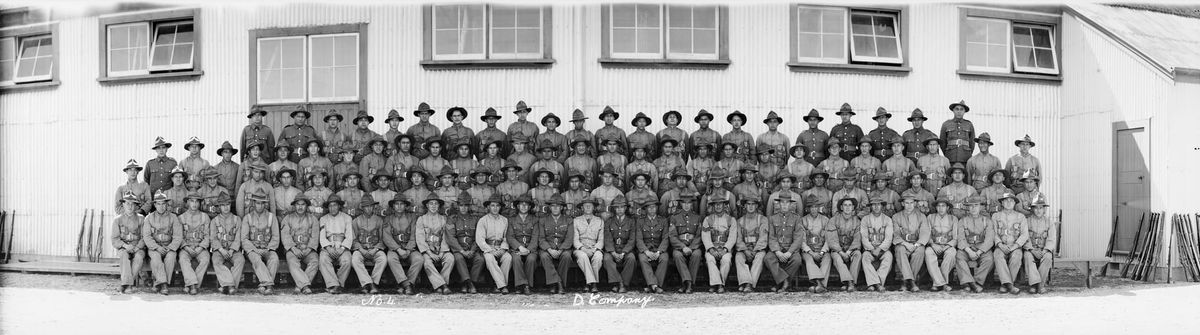
Ngāti Rārua had a number of servicemen who have contributed to New Zealand's participation in various wars. As we approach ANZAC Day, we honour all of those who have served, and those who fell, in all past wars. We also remember those who did return and acknowledge their adjustments and struggles in post-war society.
We profile three of our serviceman from Motueka who put their lives on the line for the protection of the Commonwealth in the Second World War.
Warren Pahia Stephens
Warren Pahia Stephens was the son of Warena Rueben Tiwini and Rima Takutai Stephens. Born in Motueka in 1924, he served as a Private in the 28th Māori Battalion D Company, Second NZ Expeditionary Force. He received a War Medal 1939-1945, and a NZ War Service Medal. His occupation at the time was listed as labourer.
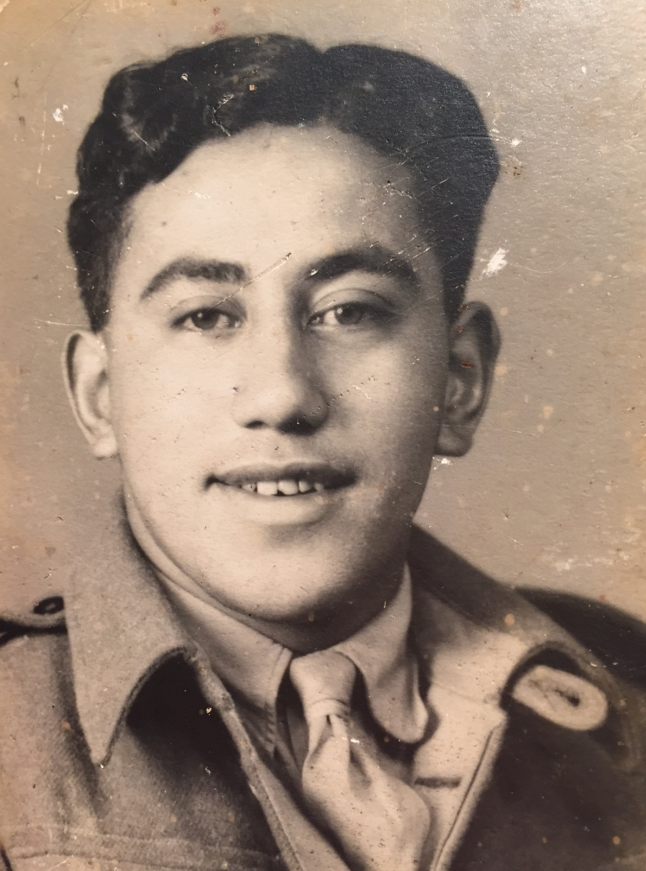
Warren’s son, Ropata Stephens recalls:
“The war years were important to my father because it gave him a chance to escape a community he found very difficult to grow up in. He was 17 and had lied about his age to be eligible for service. Dad enjoyed the camaraderie and the closeness of being in a Māori unit. He said war taught him about himself, about what it was to be Māori. He was in an environment that he had to survive on his wits, and he thrived on it. He saw service throughout Italy.
"After the war, he returned to Motueka and applied on the rehabilitation scheme for a tobacco farm. They were opening new blocks of land up in the Motueka river area. Many ex-servicemen were coming into the area from away to take up farms allocated to them. Dad thought he had a better chance than most because he was local. However he was unsuccessful in his application and was very bitter as a result. Others were coming into what he deemed as being his area, and they were being successful. He understood that his whānau owned land in Motueka and he had paid his dues in seeing service. So he was very disappointed and aggrieved at that.
"He decided that there was nothing for him in Motueka , so he re-enlisted into the army to go to Japan. Back to boot camp as preparation for J Force, he came home for final leave when his Mother died. Instead of going overseas, my father took up the family farm."
Benjamin Te Rauokewa Morgan
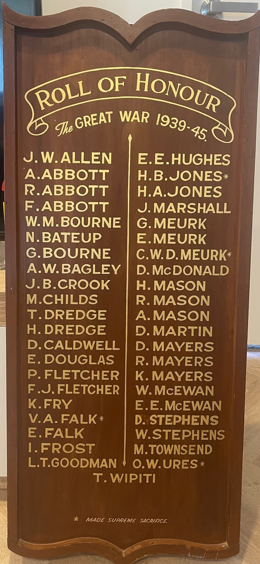
Benjamin Te Rauokewa Morgan served as a Private in the 28th Māori Battalion. His father was B Morgan of Staple St, Motueka. He was killed on the 27 November 1941, and his whānau received the tragic news at Christmas of 1841. He is buried in Alamein Memorial, El Alamein. He was only 15-16 years of age, and like many other young men had lied about his age so he could serve his country.
Both Ben Morgan and Warren Stephens started school at Whakarewa and then went onto Motueka District High School. They were not only cousins, they were the closest of friends.
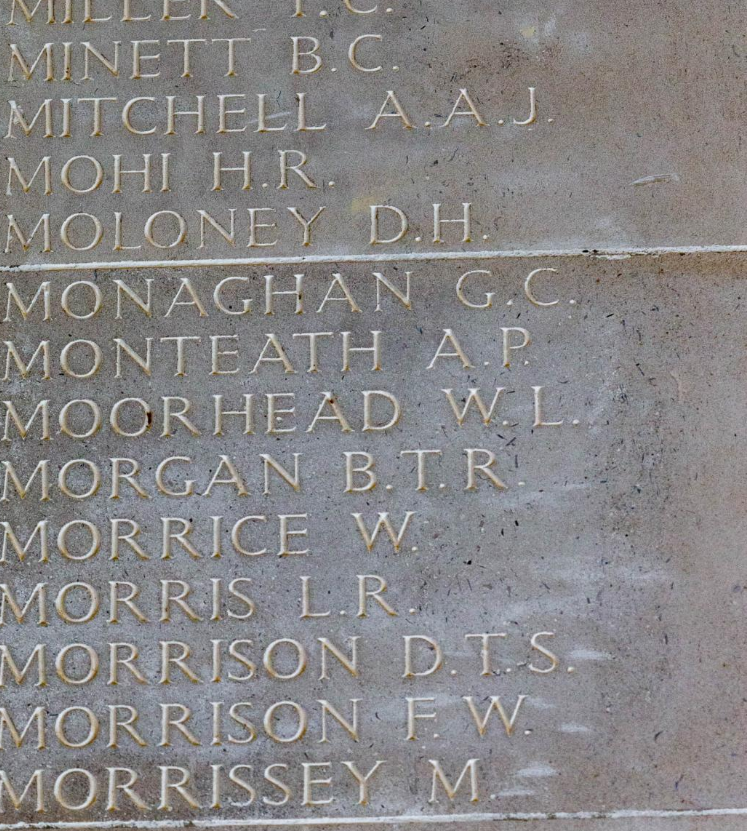
On the day that Ben died, this is the diary entry of his commanding officer:
“Normal interchange of the artillery shoots throughout the day. Two German prisoners are brought in, captured by D Company. They were swimming off Bl vel Quattra 500 yards (460m) north of Beacon Point. A machinery gun post is also taken from this area while a 75-mm gun with ammunition is hauled up from this vicinity and placed in rear of A Company’s right platoon. Movement in Lower Sollum is still confined to the Pier area. About six men moving about from one area to the other.
"1500 hrs B Echelon at Fort Musaid spotted what appeared to be a Battalion of motorized infantry approaching from Bardia. Lt Dan Ulrich who was OC of Heaquarters Company in charge of B Echelon immediately prepared to meet the attack. The approaching column, however, had the support of tanks and with infantry and mortars combined.
"The sorely pressed B Echelon, despite a determined stand with no supporting fire apart from SA, was compelled to surrender. It was a one-sided affair as the tanks hurled sticky bombs into the shallow trenches of the defenders. Some escaped in the general confusion of the heat of the battle, but before the last light the German column had subdued all opposition from the remaining defenders. Prisoners taken were 43 of all ranks which included 2/Ltd Ted Pohio, attached engineers, RMT drivers and some 23 Battalion. 2000 hrs the prisoners were left at a point 5-6 miles (8-10km) from Capuzzo. The Germans had abandoned them. At least 40 of their number were killed”
William Benjamin Morgan
William was single at the time of his enlistment, and his occupation was a labourer. He enlisted in New Plymouth, and Mr B Morgan (father) Motueka was his next of kin.
He passed away on the 24 April 1977 aged 58 years, dying at the RSA Clubrooms.
He received a MBE (Member of the most Excellent Order of the British Empire). He also received a War medal 1939-1945 and NZ War Service Medal. He served for the 28th Māori Battallion C Company, Second NZ Expeditionary Force.
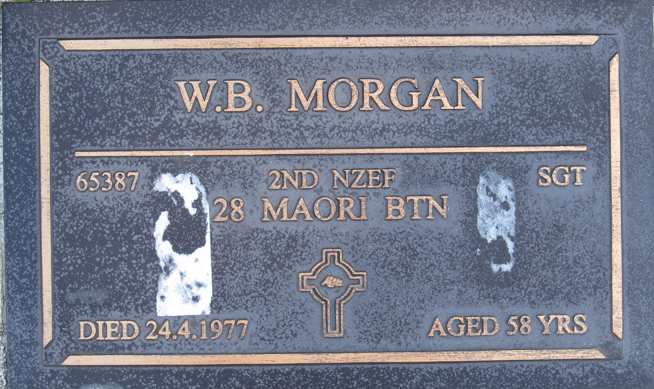
William B Morgan.
Lest we forget.
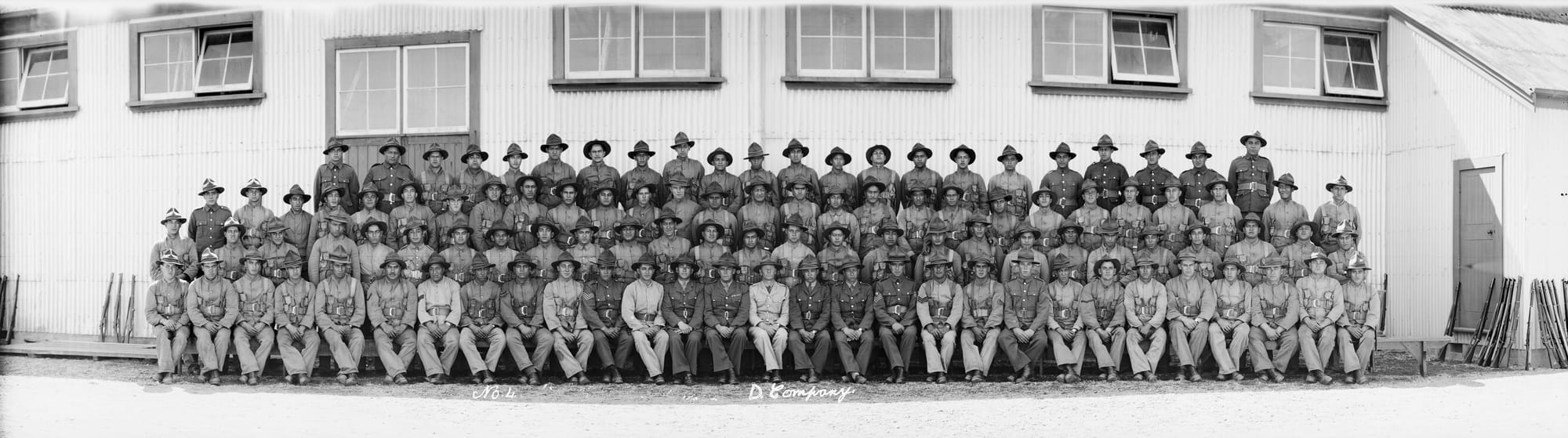
Watch: Māori Battalion - March to Victory
View more of the history of the 28th Māori Batallion in this 1990 documentary.