Me takatū - get prepared for an emergency
How to make your emergency plan, how to prepare for a storm and more.
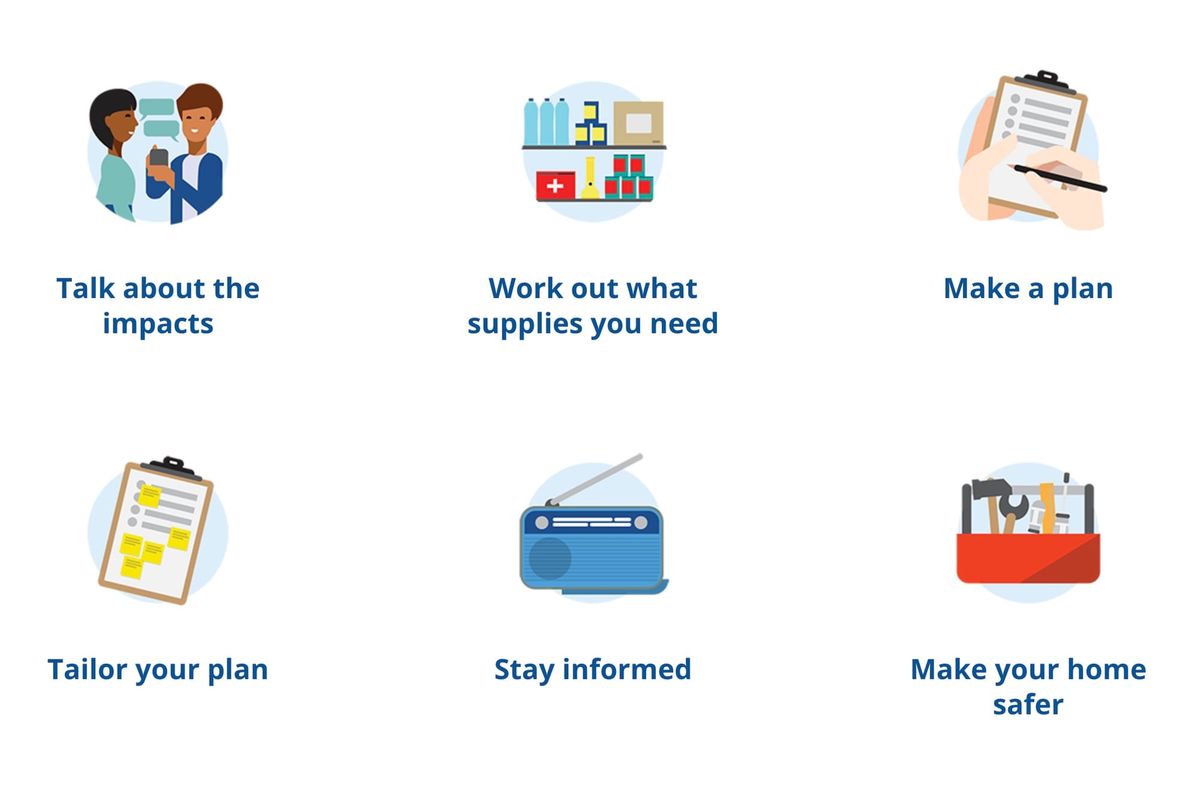
Civil Defence and other agencies are unlikely to be able to help you immediately during any emergency. It is recommended whānau have supplies of food, water, toiletries and medicine, and other essential supplies to get through for at least three days, preferably more.
Share this pānui with whānau, especially kaumātua and anyone who may need extra support.
Rautaki Emergency Plan
It is vital to be prepared for an emergency. You can use this template as a way to start your whānau emergency plan. It's also really important to make sure whānau know the plan once you have created it.
We also strongly recommend whānau use these resources from Civil Defence to get your household, work, school or marae ready.
If you or any whānau are concerned about immediate personal safety or threat to life, call 111 for assistance.
How to prepare for a storm
Before the storm
- Bring inside or securely tie down anything that could blow, lift, or break in strong winds (outdoor furniture, bins, signs, kids’ gear). If you have a trampoline, flip it upside down or secure it firmly.
- Clear loose branches, debris, and anything that could move in the wind. Check and clear gutters, downpipes, and drains so water can flow away. If there’s a risk of flooding, move valuables up off the floor.
- Bring pets (and other animals where possible) into a safe, sheltered place. Have the basics ready: charged phones, power banks, torches, a battery radio, warm clothing/blankets, kai, and drinking water.
- Check in on whānau, neighbours, and especially kaumātua and anyone who may need support. If your marae is coordinating communications or support, confirm the key contacts and how messages will be shared if power or phone coverage drops.
During the storm
During the storm
- Stay inside and keep whānau together, away from windows. Avoid going out and avoid driving unless it’s urgent.
- Keep well clear of trees, powerlines, swollen streams/rivers, and coastal areas, conditions can change quickly.
- Close and secure doors and windows and pull curtains or blinds. If winds are severe, move into the safest part of the house/building (often an internal room), well away from glass.
- Stay informed by listening to the radio and checking updates from Civil Defence, your local council, and MetService, as well as any iwi/marae communications channels being used. Follow official instructions.
- If there is lightning, avoid showers, baths, taps, and sinks, and keep away from plugged-in electrical items. Treat any downed powerlines as live, stay well clear.
- Unplug or switch off small appliances at the wall to protect them from power surges. If using a generator, keep it outside in a well-ventilated area, never use it indoors.
Stay up to date in an emergency
Read our whānau guide for how to stay up to date in an emergency
If you need help: Please call the appropriate emergency services on 111 if there is immediate danger.